

Forschungsinstitute







Zoologische Staatssammlung München
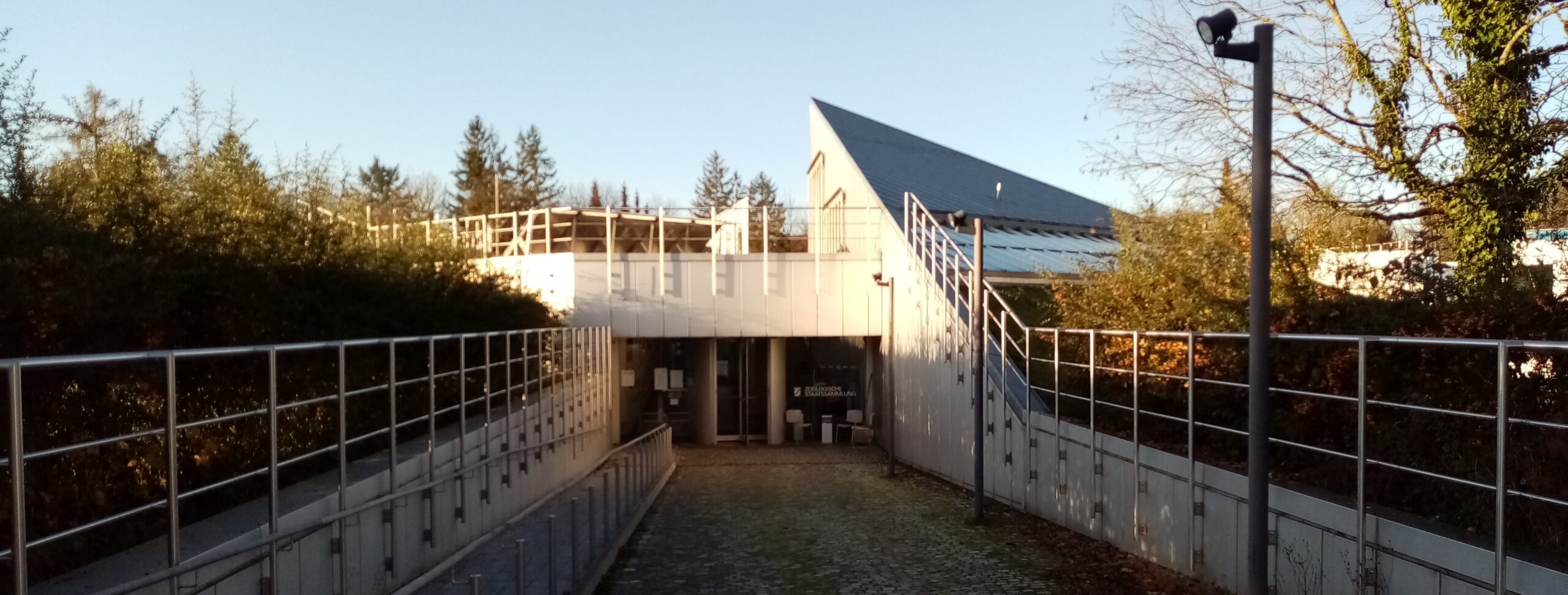
Die Zoologische Staatssammlung München (ZSM) ist, mit fast 22 Millionen zoologischen Objekten, eine der größten naturkundlichen Forschungssammlungen der Welt und gehört zu den Staatlichen Naturwissenschaftlichen Sammlungen Bayerns (SNSB). Mitarbeiter und Mitarbeiterinnen sammeln, konservieren und bewahren seit der Gründung vor über 200 Jahren zoologische Objekte als wissenschaftliches Belegmaterial. Mit mehr als 12 Millionen Einzelobjekten befindet sich die größte Schmetterlingssammlung der Welt in München.
Die Schwerpunkte der wissenschaftlichen Forschung liegen auf der Beschreibung neuer Tierarten (integrative Taxonomie) sowie der Erforschung ihrer natürlichen Verwandtschaft (Phylogenie), Verbreitung (Faunistik und Zoogeografie) und Lebensweise (Ökologie). Ergänzend hierzu erstellt die ZSM bereits seit vielen Jahren umfassende DNA-Barcode-Bibliotheken der europäischen Fauna (und weit darüber hinaus), welche im Rahmen verschiedener drittmittelfinanzierter Projekte wie Barcoding Fauna Bavarica (2009-2018), German Barcode of Life (2012-2024) oder Biodiversity Genomics Europe (2022-2026) generiert wurden und werden.
Einen anderen Schwerpunkt der ZSM stellt die umfangreiche, auch der Öffentlichkeit zugängliche zoologische Fachbibliothek dar. Von wertvollen Werken aus dem 16. Jahrhundert bis zu aktuellen Neuerscheinungen beherbergt sie mehr als 90.000 Bände und etwa 1.500 laufende Zeitschriften. Die Zoologische Staatssammlung München gibt mit der “Spixiana” eine wissenschaftliche Zeitschrift heraus und ist mit mehreren Fachgesellschaften eng verbunden.
Die Forschungsergebnisse der ZSM werden durch wissenschaftliche Publikationen, Web-Portale, Citizen-Science-Projekte und populärwissenschaftliche Vorträge sowie Fachausstellungen nicht nur der Fachwelt, sondern auch einer breiten Öffentlichkeit zugänglich gemacht. Diese Aktivitäten werden in den Jahresberichten und Jahresheften der SNSB zusammengefasst.
Zoologische Staatssammlung München Forschende

Dr. Michael Raupach
Michael Raupach hat an der Ruhr-Universität Bochum studiert und promovierte am Lehrstuhl für Spezielle Zoologie im Jahr 2004 zum Thema „Molekulargenetische Analyse von Biogeographie, Speziation und Biodiversität der Asellota (Crustacea: Isopoda) der antarktischen Tiefsee“. Seit 2019 leitet er als Kurator die Sektion Hemiptera an der Zoologischen Staatssammlung München. Er beschäftigt sich seit vielen Jahren mit der Erstellung von DNA-Barcoding-Bibliotheken für verschiedene Insektengruppen, insbesondere für Laufkäfer. Aktuelle Forschungsschwerpunkte umfassen die Systematik und Phylogenie von Wasserläufern und Wasserwanzen.

Prof. Dr. Michael Matschiner
Michael Matschiner ist Direktor der Zoologischen Staatssammlung München (ZSM) – eine der Staatlichen Naturwissenschaftlichen Sammlungen Bayerns (SNSB) – und Professor für Systematische Zoologie an der Ludwig-Maximilians-Universität München. Promoviert hat Michael Matschiner 2011 an der Universität Basel (Schweiz) zum Thema Evolution der Antarktisfische, danach folgten PostDoc-Aufenthalten an der University of Canterbury (Neuseeland), der University of Oslo (Norwegen), und der Universitäten Basel und Zürich (Schweiz). Bevor er im Dezember 2024 an die ZSM kam, war Michael Matschiner Associate Professor am Natural History Museum Oslo, wo er die Ichthyologische Sammlung kuratorisch betreut hat. Seine Forschung untersucht die Entstehung von Biodiversität anhand von adaptiven Radiationen, wie die der Buntbarsche im Tanganjikasee in Afrika und die der Antarktisfische im Südlichen Ozean.